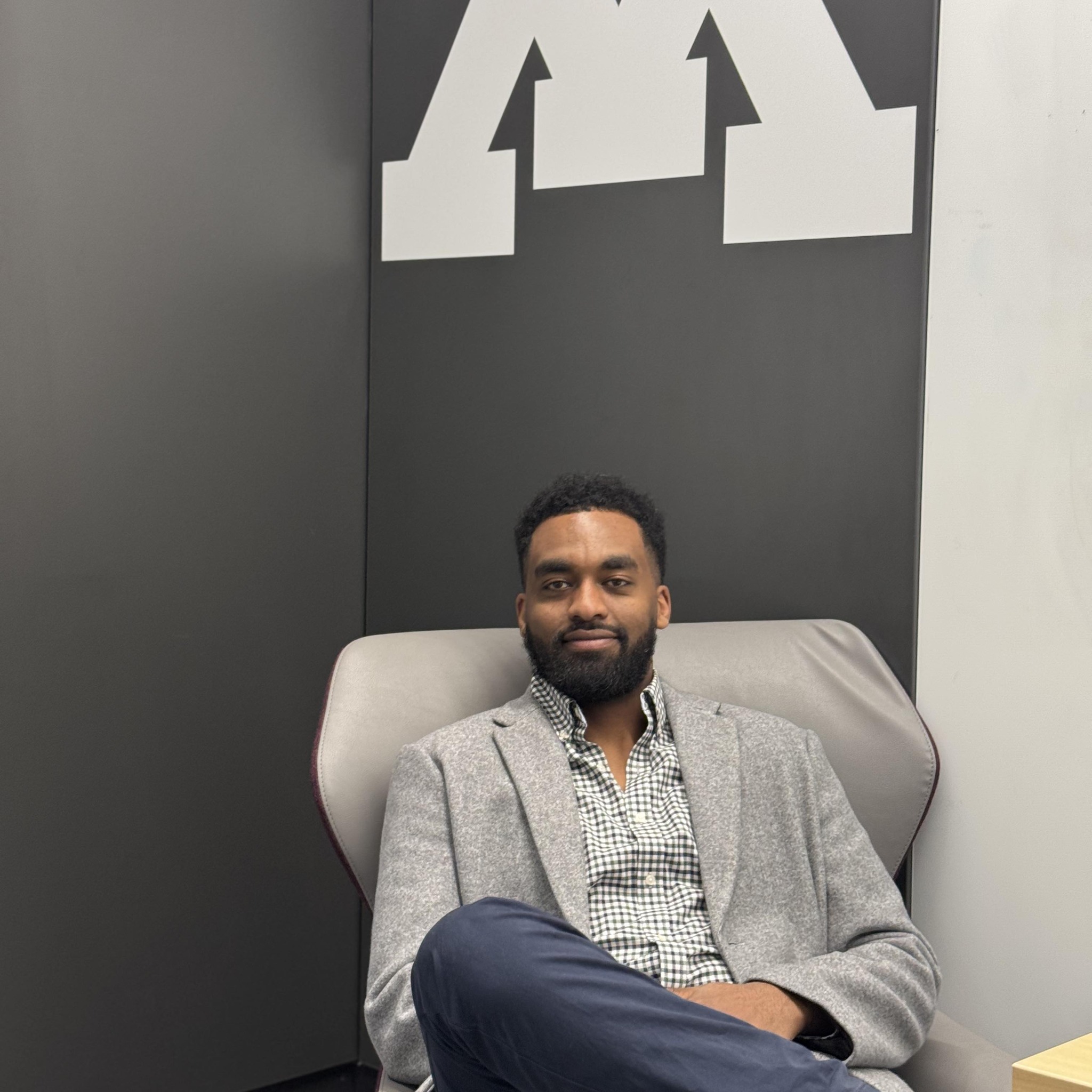






I am a Ph.D. Candidate in Computer Science at the University of Minnesota where I am advised by Prof. Maria L. Gini. I received my bachelor’s degree in Electrical and Computer Engineering from Addis Ababa Institute of Technology. My interests include artificial intelligence, machine learning, robotics, computer vision, and natural language processing.

Our Multi-Agent Research Group

As the lead of the Multi-Agent Research Group at the University of Minnesota, I oversee a dedicated team specializing in multi-agent systems. Our research focuses on distributed decision-making for autonomous agents and robots, covering areas such as task allocation, exploration of unknown environments, teamwork for search and rescue, and navigation in dense crowds. We are committed to advancing artificial intelligence through innovative research and collaboration. I also served as Team Lead for the Farm Robotics Challenge (farmroboticschallenge.ai/air).

Multi-Agent Research Group

Research Publications

IEEE ICRA 2026
Model-Free Subsurface Anomaly Detection using Subspace Analysis Techniques for Sparse Telemetry for Extraterrestrial Drilling Robots

Accepted at the IEEE International Conference on Robotics and Automation (ICRA), Vienna, Austria.

IEEE ICRA Workshop 2025
Geofenced Unmanned Aerial Robotic Defender for Deer Detection and Deterrence (GUARD)

Presented at the Novel Approaches for Precision Agriculture and Forestry with Autonomous Robots workshop at IEEE ICRA 2025.

ARMS at AAMAS 2024
Multi-agent Path Finding Using Time-Extended Graphs with Auctions

Presented at the ARMS workshop at AAMAS 2024.

MASSpace'24 at AAMAS 2024
Understanding Drill Data for Autonomous Application

Presented at the MASSpace'24 at AAMAS 2024.

IEEE IROS 2023
Autonomy and Dignity for Elderly Using Socially Assistive Technologies

Presented at the IEEE International Conference on Intelligent Robots and Systems Workshop 2023.

IEEE IROS 2023
Ethical Robot Design Considerations for Individuals Suffering from a Neurodegenerative Disease

Presented at the IEEE International Conference on Intelligent Robots and Systems Workshop 2023.

AAAI SIAIA 2023
What We Know So Far: Artificial Intelligence in African Healthcare

Presented at the AAAI International Workshop on the Social Impact of AI for Africa.

ACM IUI 2022
Emotion Recognition in Conversations Using Brain and Physiological Signals

Presented at the ACM International Conference on Intelligent User Interfaces 2022.

Professional and Academic Experiences

Machine Learning Engineering Intern, Milwaukee Tool (AET)

May 2025 – Aug 2025
Brookfield, WI
Contributed to machine learning and robotics projects within the Advanced Engineering Technologies team, supporting intelligent systems for next-generation power tools and automation solutions.

NASA L’Space Mission Concept Academy

2024 – Present
Data and Command Handling (CDH) for Lunar Exploration Mission, leading subsystem trade studies and Preliminary Design Review (PDR) for the lunar mission.

NASA Ames Research Collaboration

2023 – 2024
Partnered on drill data analysis for fault detection and autonomy using ML techniques.

Research Assistant, University of Minnesota

2022 – Present
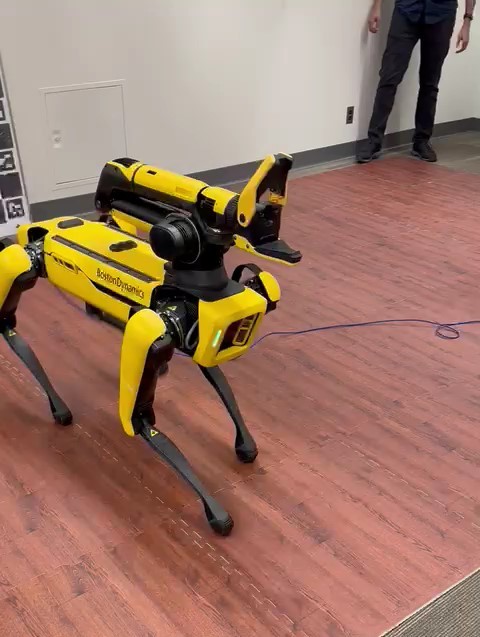
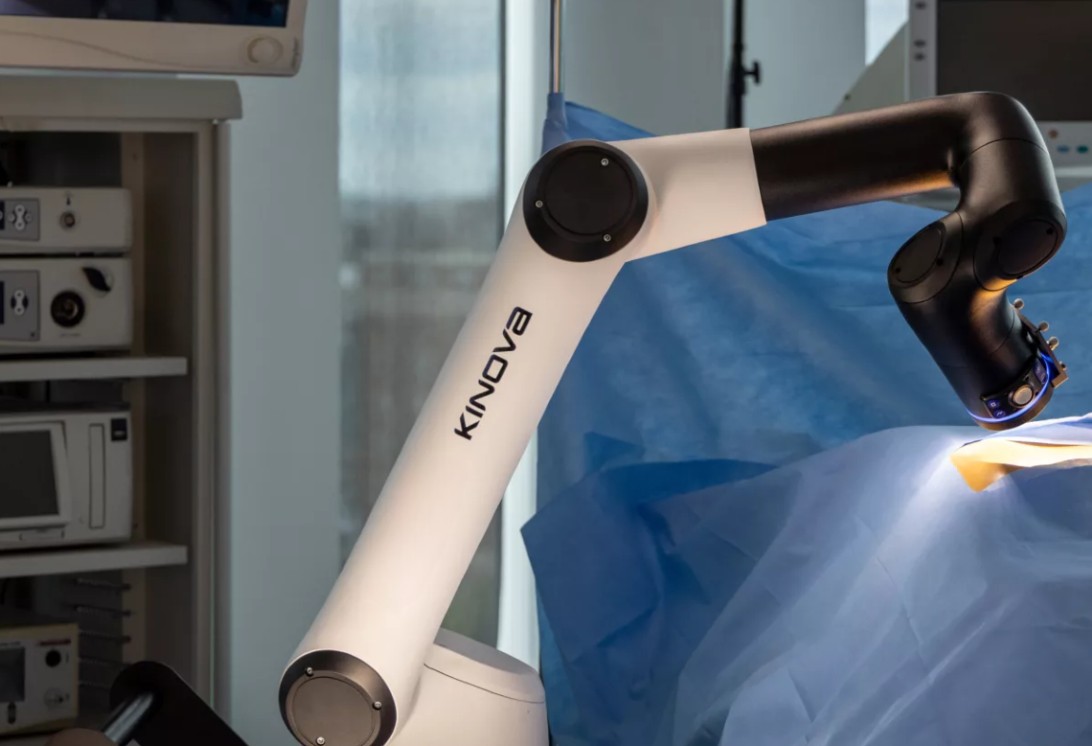
Researching topics in Multi-Agent Reinforcement Learning (MARL) and Multi-Agent Systems (MAS). Worked on autonomous robots, including manipulation tasks with Kinova and navigation tasks with Boston Dynamics Spot.

Lead QA, Safaricom

2022
Integrated enterprise systems with S&D. Trained over 100 users and optimized workflows for efficiency.

Research Intern, Empathic Computing Lab

2021
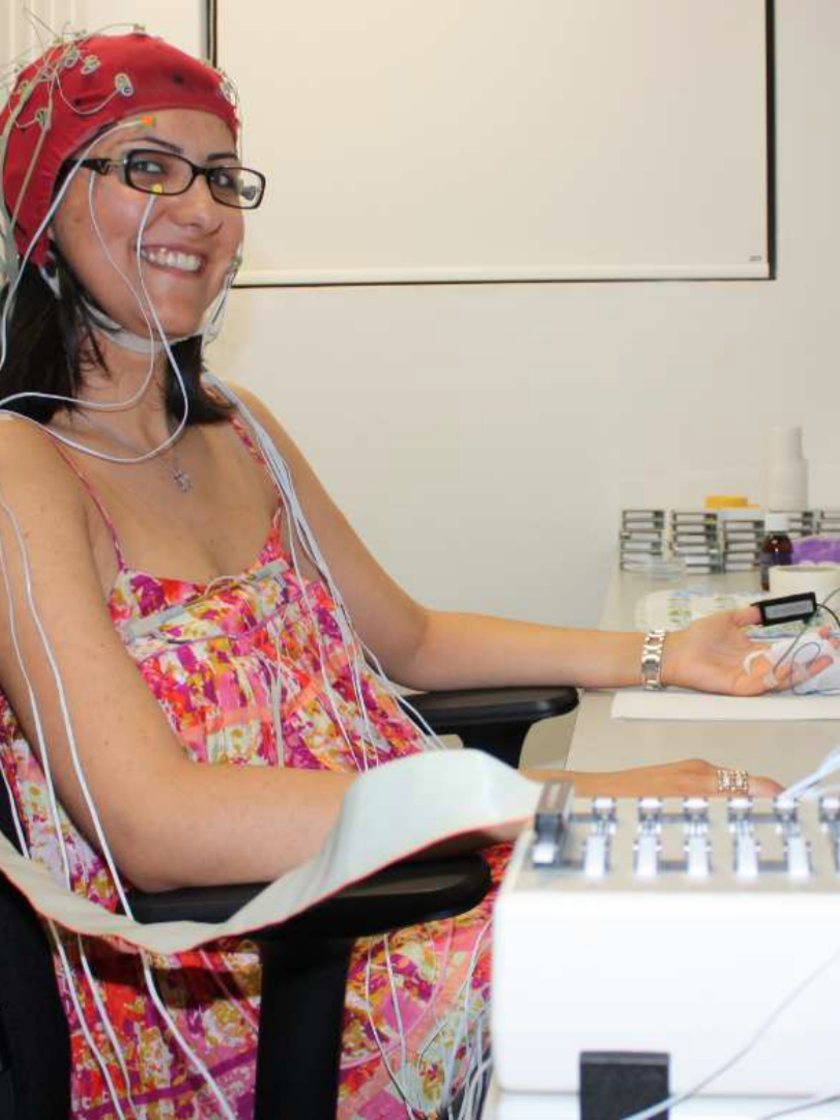
Analyzed physiological signals (PPG, GSR) for emotion recognition using machine learning.

Research Intern, University of Michigan

2019 – 2020
Conducted bottleneck analysis of RL algorithms, optimizing CPU usage and execution time.

Highlighted Projects

Drill Data Analysis for Autonomy

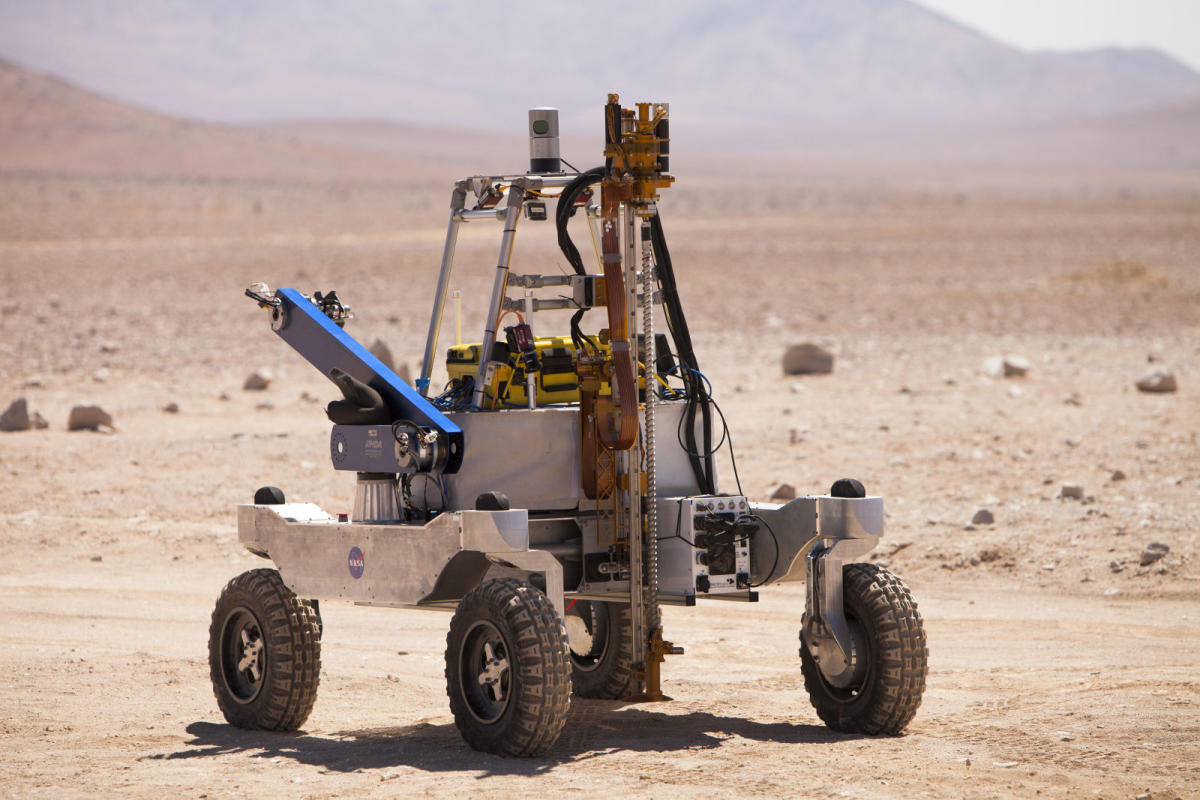
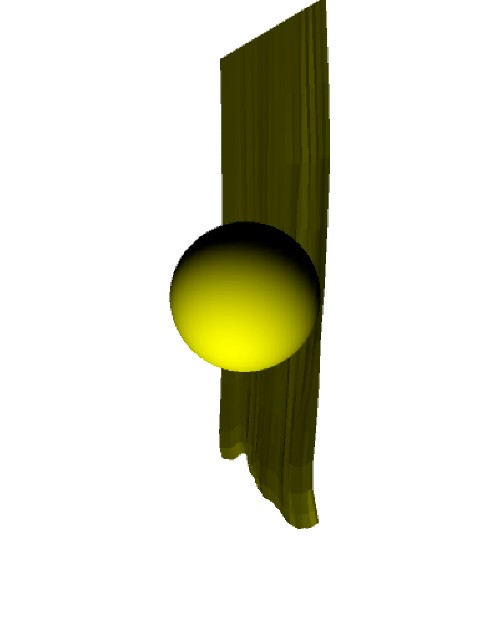
In high-risk, high-cost environments like Mars, it is essential for robotic agents to anticipate and address potential issues before they escalate into mission-critical failures. The Regolith and Ice Drill for Exploring New Terrain (TRIDENT) is a rotary percussive 1-meter class drill developed by Honeybee Robotics for NASA. TRIDENT is slated for deployment in lunar missions such as the Polar Resources Ice Mining Experiment-1 (PRIME-1) and the Volatiles Investigating Polar Exploration Rover (VIPER), both scheduled for launch in 2024.

To enhance TRIDENT's operational reliability, we analyzed logged data from previous field tests to better understand potential drilling faults that the system may encounter. By applying time series analysis techniques, we identified trends in the data during fault occurrences. Additionally, we employed change point analysis and other machine learning methods to predict potential faults, enabling TRIDENT to respond proactively to drilling anomalies.

TRIDENT Drill Data Analysis
ICRA 2026
Accepted Paper Highlight

Our latest NASA drilling autonomy work was accepted at IEEE ICRA 2026 in Vienna, Austria.

This paper introduces a model-free subsurface anomaly detection method using time-series subspace analysis on sparse drilling telemetry, enabling online fault detection under mission compute and energy constraints. The method is validated on an extraterrestrial drilling robot in controlled lab tests and a Mars-analog field deployment; You can find the video below and the paper.

My Research at Empathic Computing Lab

During my time at the Empathic Computing Lab, I explored how physiological signals, such as PPG and GSR, change in response to various emotional stimuli. Using both machine learning and deep learning models, I worked on recognizing emotions in human conversations.

This research culminated in a presentation at the International Conference on Intelligent User Interfaces (IUI) 2022, showcasing our findings on emotion recognition in conversations using brain and physiological signals. You can access the published paper here.

Empathic Computing Lab Research

Projects & Activities

Here are some of the projects I've worked on, spanning robotics, artificial intelligence, and federated learning.

ORCA + Reinforcement Learning

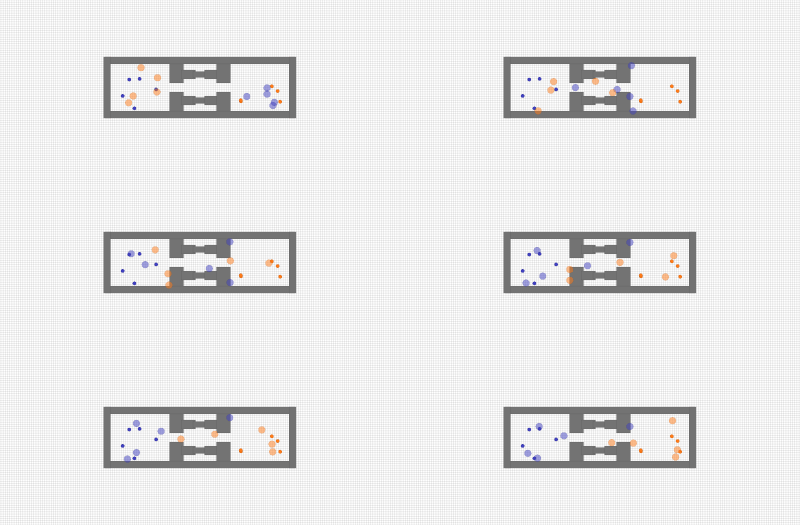
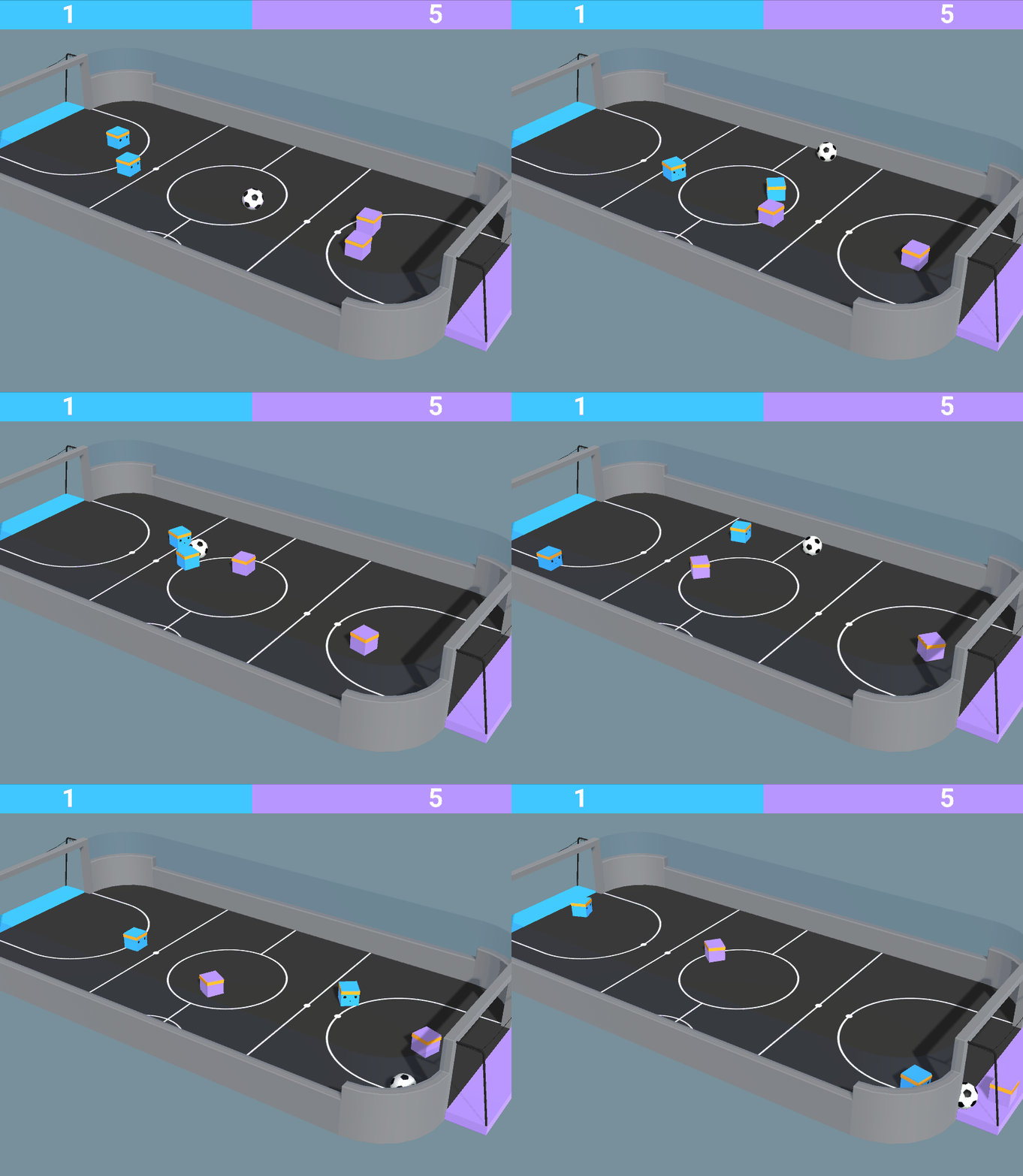
Optimal Reciprocal Collision Avoidance (ORCA) is an algorithm in robotics for enabling collision-free navigation in multi-agent systems. By combining ORCA with Reinforcement Learning (RL), agents gain the ability to adapt to dynamic environments, making it particularly effective in dense crowds and unpredictable scenarios.

This integration has been pivotal in simulations of pedestrian dynamics, robot navigation, and cooperative multi-agent systems. Through advanced RL algorithms, agents learn to optimize their paths, maintain safety, and achieve goals while interacting with other entities in real-world-inspired environments.

Path Planning with Reinforcement Learning
Next Gen AI Team
ORCA + Reinforcement Learning for Crowd Simulation

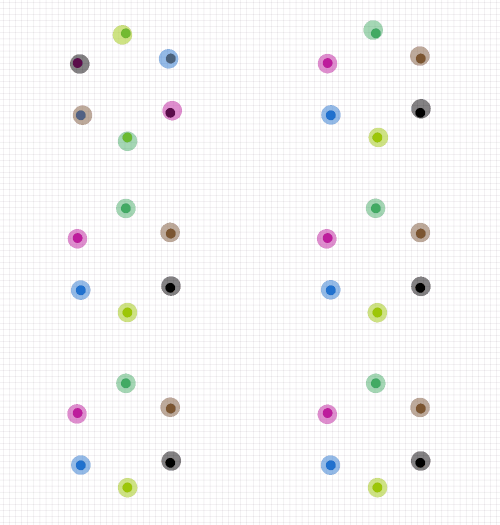
We integrated ORCA with Reinforcement Learning to enable agents to navigate dense crowds autonomously. This involved designing and fine-tuning RL algorithms to enhance agents' adaptability to dynamic and unpredictable crowd behaviors.

To improve scalability, I developed and optimized the simulation environment using the Vectorized Multi-Agent Simulator (VMAS). This framework streamlined simulations and supported high-performance training of RL agents in multi-agent scenarios.

My work focused on ensuring efficient test environment development, parameter tuning for RL models, and enhancing scalability, providing a robust foundation for research in multi-agent reinforcement learning.

CLIP-NAV
CLIP-Based Navigation Project

Our team developed an advanced autonomous navigation system by leveraging OpenAI's CLIP model. This integration enhances the robot's ability to understand and execute natural language instructions, enabling seamless navigation in complex and dynamic environments.

The project focuses on empowering robots to interact more intuitively with human operators by interpreting instructions such as "Find the red chair" or "Navigate to the nearest exit," significantly improving versatility and user experience in various scenarios.

Message from My Student

Here’s a kind note of appreciation I received from one of my students.

Community Outreach Activities

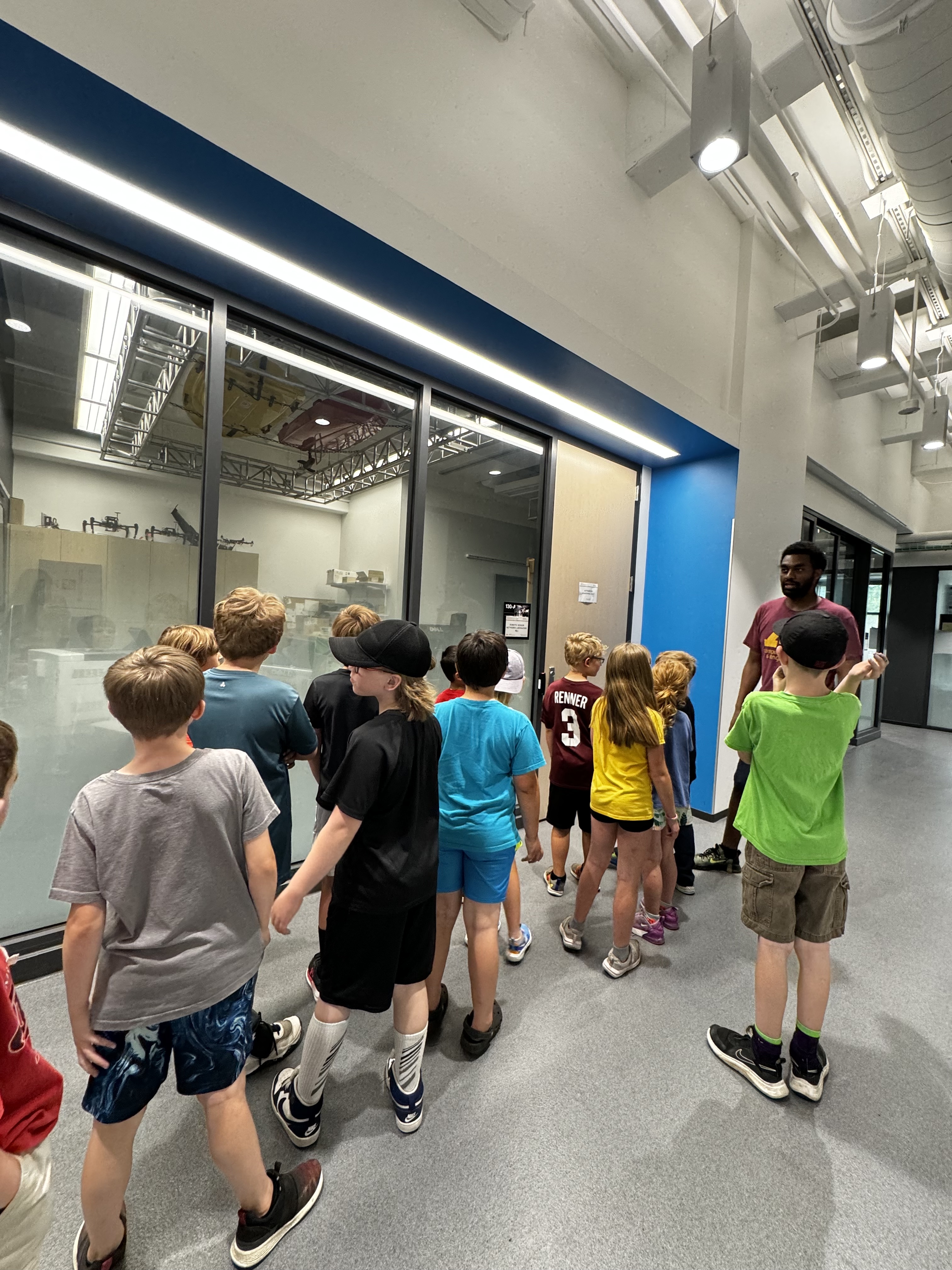
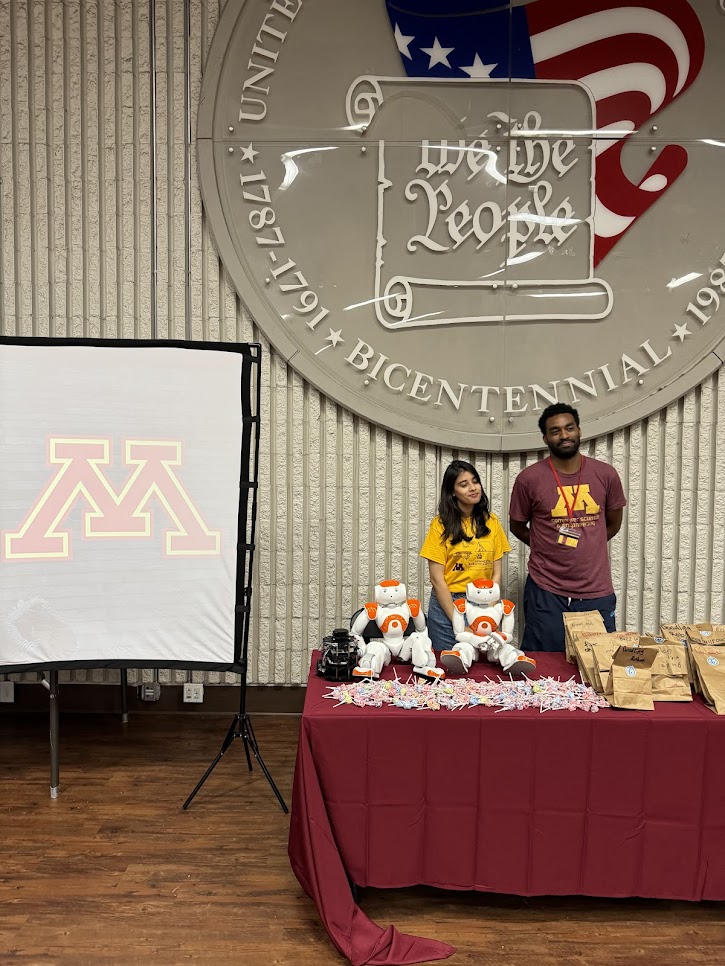
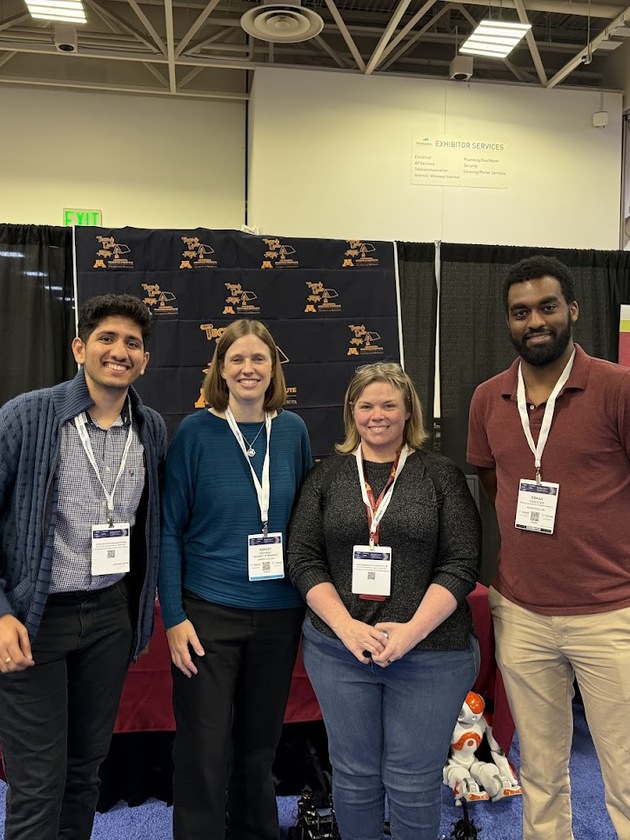
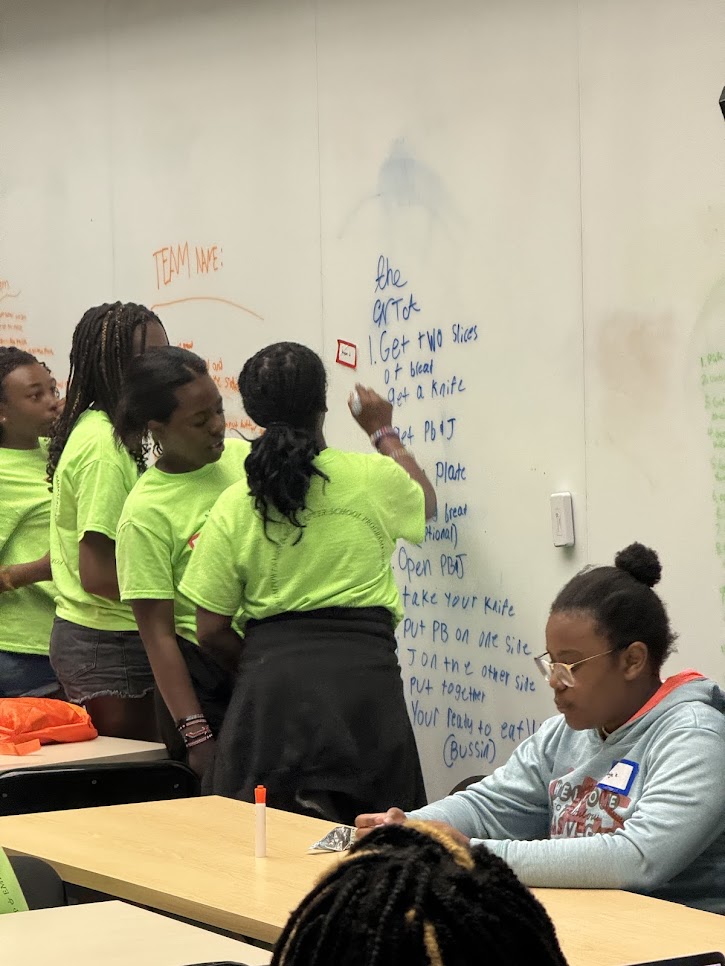
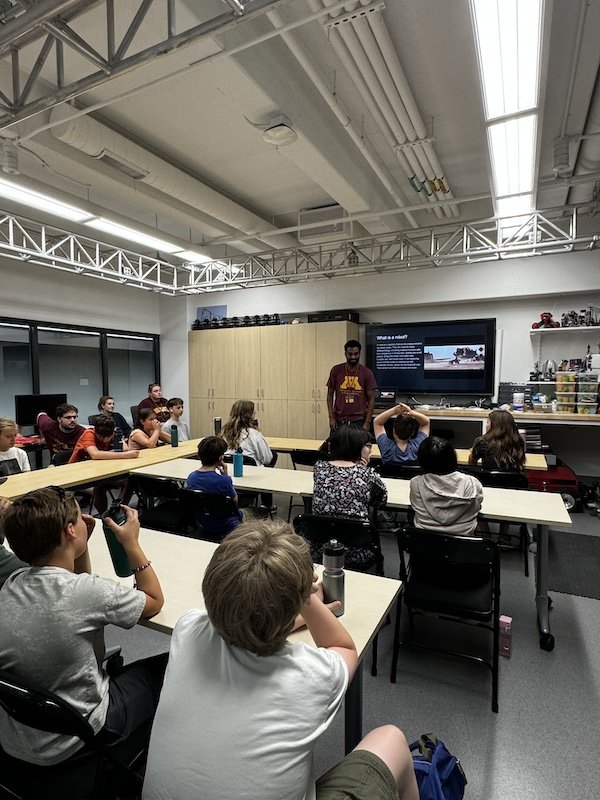
As a representative of the Minnesota Robotics Institute (MnRI), I have participated in various community outreach events, promoting robotics and STEM education.

Professional Involvements

Explore my roles and contributions in various organizations and initiatives.